
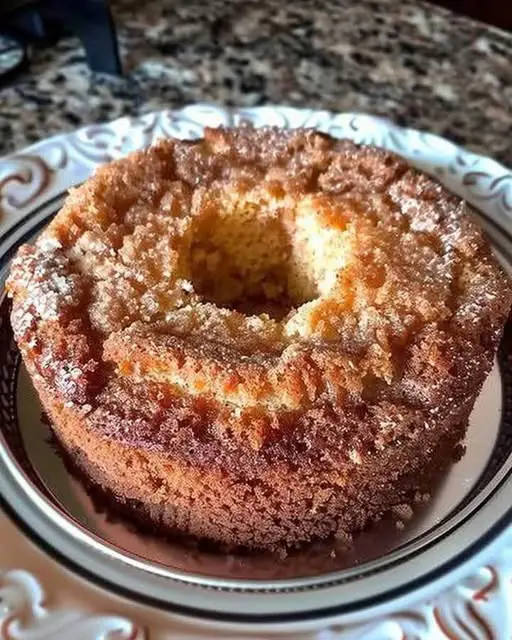
Best Mother’s Crack Cake: The Addictive, Tender Bundt Cake Everyone Keeps Talking About
Some cakes become famous because they are elaborate, decorative, or technically impressive. Others rise to popularity because they strike a chord, delivering bold flavor and comforting texture without requiring complicated steps. The Best Mother’s Crack Cake belongs firmly in the second category. It is the kind of dessert that impresses not because it is fussy or ornate, but because it tastes unbelievably good and disappears faster than any dish on the table. This cake is soft, buttery, warmly spiced, and incredibly moist, with a flavor that deepens as it cools. Many people say it tastes even better the next day, when the sweetness settles and the glaze fully soaks into the crumb. Its nickname comes from its addictive nature—once people try it, they always return for just one more slice.
This long-form recipe article will walk you through every detail of making the Best Mother’s Crack Cake, including the ingredients, technique, baking tips, variations, serving ideas, and why this cake has become a beloved classic in so many homes. Whether you are baking it for a special event, a family gathering, or simply because you are craving an easy homemade dessert, this recipe provides fail-proof results. The ingredients are affordable and easy to find, the method is straightforward, and the outcome is consistently delicious. There is something incredibly comforting about a cake that can be mixed in minutes yet tastes like something that required much more effort. That balance of accessibility and richness is what has made this recipe a household favorite for generations.
Why This Cake Has Become a Beloved Classic
The Best Mother’s Crack Cake has many qualities that make it irresistible. First, the flavor profile is warm and inviting. The combination of vanilla pudding, cinnamon, brown sugar, and yellow cake mix creates a deep, nostalgic sweetness reminiscent of old-fashioned bakery cakes. The cinnamon adds warmth, the pudding makes the crumb extra soft, and the sugars bring balance and complexity. Second, this recipe uses ingredients that produce consistently moist results. The oil adds tenderness, the eggs add richness, and the pudding mix works like a secret weapon, locking in moisture and preventing the cake from drying out.
Another reason for this cake’s popularity is its simplicity. Anyone can make it, even those who are new to baking. There is no need for multiple bowls, frosting techniques, tempering ingredients, or advanced equipment. A single bowl, a mixer, and a bundt pan are enough. The steps are minimal and forgiving, which makes this recipe accessible for busy families, beginner bakers, and anyone who wants a dessert that delivers maximum flavor with minimal effort.
The bundt pan also plays a role in the cake’s beauty. Even without icing or decorations, the pan creates natural ridges and curves that make the cake look elegant. When the glaze is poured on top, it soaks into the warm cake and creates a shiny, irresistible finish. This versatility means it works just as well for holiday celebrations as it does for casual weeknight desserts.
Ingredients and What They Do
Understanding how each ingredient contributes to the final cake helps ensure that every slice turns out perfectly tender and flavorful.
The base of the recipe begins with a box of Duncan Hines yellow cake mix. While many cakes rely entirely on scratch ingredients, the addition of boxed mix provides a reliable structure and consistent rise. It also creates a familiar, old-fashioned flavor that many people grew up with. The mix becomes the foundation upon which the enriched ingredients build.
Next is the instant vanilla pudding mix. This ingredient is essential because it enhances both the texture and flavor. The pudding mix adds moisture, density, and softness, ensuring the cake stays fresh for days. It also adds vanilla undertones that complement the rest of the ingredients.
The brown sugar and white sugar work together to deepen sweetness and build complexity. Brown sugar adds a hint of molasses flavor, giving the cake a slightly caramelized taste. White sugar provides clean, bright sweetness that balances the richness of the brown sugar. Combined with the cinnamon, they create a warm, aromatic foundation that elevates the entire cake.
Cinnamon is another standout ingredient in this recipe. While it is not overpowering, it adds depth and fragrance. The warmth of cinnamon blends beautifully with the vanilla and sugar, creating a comforting flavor reminiscent of bakery-style cakes and holiday desserts.
The liquid ingredients—eggs, oil, and water—bring the batter together. The eggs provide richness, structure, and binding. The oil ensures the cake remains tender and moist, even after several days. Water thins the batter and allows it to mix smoothly without becoming overly dense.
Finally, there is the optional glaze. Made from melted butter, sugar, and water, this glossy mixture adds a sweet, buttery finish that soaks into the cake and deepens the flavor. While the glaze is technically optional, it is highly recommended because it intensifies moisture and creates a polished, irresistible coating.
Full Recipe: Best Mother’s Crack Cake
Ingredients:
1 box Duncan Hines yellow cake mix
1/4 cup brown sugar
1/4 cup white sugar
1 box instant vanilla pudding mix
2 teaspoons cinnamon
4 eggs
3/4 cup water
3/4 cup oil
Optional glaze:
1/4 cup melted butter
1/2 cup sugar
1/4 cup water
Instructions:
Preheat the oven. Begin by heating your oven to 350°F (175°C). Grease and flour a bundt pan thoroughly to prevent sticking. This step is essential for achieving the perfect release and ensuring the cake retains its shape.
Mix the ingredients. In a large mixing bowl, combine the yellow cake mix, brown sugar, white sugar, vanilla pudding mix, and cinnamon. Stir lightly to blend the dry ingredients. Add the eggs, water, and oil. Beat on medium speed until the batter is smooth, thick, and fully combined. The pudding mix will make the batter slightly denser than traditional cake batter, which is exactly what gives this cake its signature texture.
Fill the bundt pan. Pour the batter into the prepared bundt pan, spreading it evenly so it bakes consistently.
Bake. Place the bundt pan in the preheated oven and bake for 50 to 60 minutes. The cake is done when a toothpick inserted into the center comes out clean. Baking times may vary based on oven type and pan size, so check the cake at the 50-minute mark.
Cool the cake. Allow the cake to cool in the pan for about 10 minutes. This brief cooling helps the cake firm up and release cleanly from the pan. After 10 minutes, carefully invert the pan onto a wire rack and let the cake cool completely.
Prepare the glaze (optional). To make the glaze, combine melted butter, sugar, and water in a small saucepan. Bring the mixture to a boil, stirring until the sugar fully dissolves. While the cake is still slightly warm, pour the glaze evenly over the top, allowing it to soak into the ridges and crevices.
Serve and enjoy. Once the cake is fully cooled and glazed, slice and serve. The cake can be enjoyed immediately, but many people find that its flavor becomes even richer the next day.
Prep Time: 15 minutes
Cook Time: 50–60 minutes
Total Time: 1 hour 15 minutes
Servings: 12 slices
Tips for Achieving the Best Possible Cake
While this recipe is extremely simple, a few small details can elevate the final result. First, ensure your bundt pan is thoroughly greased and floured. Because the cake is moist and tender, it can stick easily if the pan is not fully coated. Use a pastry brush or paper towel to spread the oil or butter evenly into every ridge of the pan.
Second, do not overmix the batter. While you want all ingredients fully combined, excessive mixing can incorporate too much air, making the texture uneven. A smooth, thick batter is ideal.
Third, let the cake cool slightly before removing it from the pan. Removing it too early can cause the cake to break; removing it too late can cause it to stick. About 10 minutes is the perfect cooling time before flipping.
Finally, if you choose to use the glaze—and it is highly recommended—pour it slowly so it has time to soak into the warm cake. This will create a more flavorful and moist result.
Variations to Try
The Best Mother’s Crack Cake is wonderful in its classic form, but it is also easy to adapt. For a fall-inspired version, you can increase the cinnamon or add nutmeg and allspice. For a more citrusy cake, add lemon or orange zest to the batter. Chocolate lovers can fold in chocolate chips for a richer twist.
Some people replace the water with milk for a creamier crumb, while others substitute a small portion of the oil with melted butter for a more indulgent flavor. For a holiday version, drizzle with a simple powdered sugar glaze or sprinkle lightly with powdered sugar after cooling.
This cake also pairs beautifully with toppings such as whipped cream, fresh berries, or vanilla ice cream. Because of its dense, moist structure, it slices cleanly and holds up well to additional garnishes.
When to Serve This Cake
The Best Mother’s Crack Cake fits effortlessly into a wide range of occasions. Its simplicity makes it perfect for everyday desserts, afternoon snacks, or coffee breaks. Its elegant bundt shape and rich aroma make it suitable for holidays, birthdays, and family gatherings. It travels well, making it ideal for potlucks, picnics, and office events. Because it keeps beautifully at room temperature for several days, it can be made ahead for busy schedules.
Whether sliced warm or served cold the next day, the cake maintains its soft texture and bold flavor. It works well in every season, from winter gatherings to summer celebrations, making it one of the most versatile desserts in any home baker’s collection.
Storage and Make-Ahead Instructions
The cake can be stored at room temperature for up to three days when covered with plastic wrap or placed in an airtight container. Its moisture level remains excellent, especially if glazed. If you want to extend its freshness, refrigerate it for up to five days. For longer-term storage, you can freeze the cake for up to two months. It freezes best when wrapped tightly in plastic wrap and then in aluminum foil. Thaw it in the refrigerator overnight before serving.
Why This Recipe Stays Popular
This cake has been passed down, shared, bookmarked, and saved by countless families for one simple reason: it truly tastes exceptional. It requires minimal effort but delivers bakery-level flavor. It is inexpensive to make, reliable for all skill levels, and nearly impossible to mess up. The texture is soft, dense, moist, and luxurious. The flavor is warm, comforting, and nostalgic. Every slice feels familiar, like something that has always belonged on the table.
Many people say that once you bring this cake to a gathering, you will be asked to make it again and again. It is not just a dessert but an experience—a simple pleasure that turns ordinary moments into something a little sweeter.