
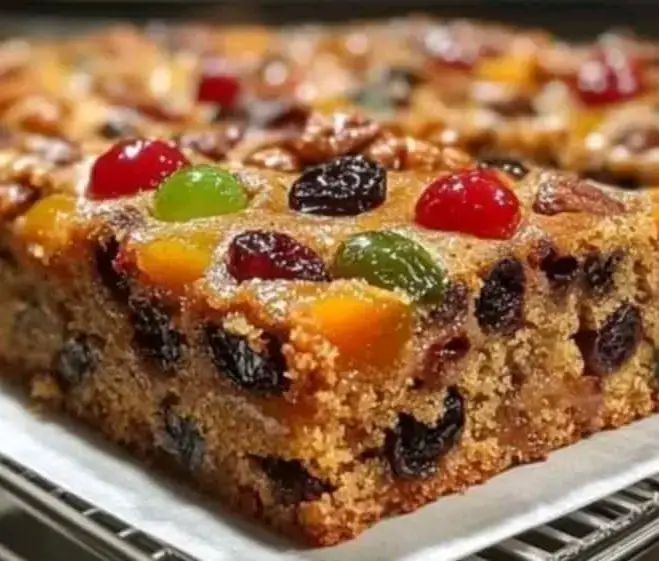
Classic Christmas Fruit Cake: A Timeless Holiday Tradition
Christmas fruit cake is one of the most beloved and enduring holiday desserts, evoking memories of family gatherings, festive tables, and the warm aromas of baking filling the home. This rich, dense cake packed with dried fruits, candied elements, and nuts has been a staple in celebrations for centuries. While some modern versions have earned a reputation for being dry or overly heavy, a well-made fruit cake is moist, flavorful, and utterly irresistible. This recipe builds on a simple yet effective base, resulting in a cake that is tender, aromatic, and perfect for slicing thin to enjoy with tea or coffee during the holiday season.
The origins of fruit cake trace back to ancient times, when Romans created a barley mash mixture with pomegranate seeds, pine nuts, and raisins to sustain soldiers on long campaigns. By the Middle Ages, preserved fruits, honey, and spices were added, turning it into a luxurious treat reserved for special occasions. In the 16th century, the influx of affordable sugar from colonies allowed Europeans to candy fruits in large quantities, leading to the dense, fruit-laden cakes we recognize today. British versions, often called plum cakes despite containing no plums (the term referred to any dried fruit), became synonymous with Christmas and weddings. These cakes were traditionally soaked in spirits for preservation and enhanced flavor, allowing them to mature over weeks or months. Today, variations exist worldwide—from the light and airy Italian panettone to the intensely spiced Caribbean black cake—but the classic Christmas fruit cake remains a symbol of abundance, generosity, and tradition.
What makes this particular recipe stand out is its perfect balance: a light, buttery batter that generously holds an abundance of fruits and nuts without becoming overly dense or dry. The candied cherries add bursts of color and sweetness, making the cake visually appealing for holiday presentations. Baked in a loaf pan, it yields a cake that slices beautifully and actually improves in flavor with a bit of resting time after baking.
Ingredients
This recipe serves 10-12 people and is baked in a standard loaf pan (approximately 9×5 inches).
Dry Ingredients:
- 2 cups all-purpose flour
- 1 teaspoon baking powder
- 1/2 teaspoon salt
Wet Ingredients:
- 1/2 cup unsalted butter, softened to room temperature
- 1 cup granulated sugar
- 3 large eggs, at room temperature
- 1 teaspoon vanilla extract
- 1/2 cup whole milk
Fruits and Nuts:
- 1 cup mixed dried or candied fruits (such as glacé cherries, pineapple chunks, dried apricots, or a ready-made fruit cake mix)
- 1/2 cup chopped nuts (walnuts, pecans, or a combination)
- 1/4 cup candied green cherries, halved
- 1/4 cup candied red cherries, halved (used both in the batter and for topping)
These quantities ensure the fruits and nuts are prominent yet evenly distributed, providing delightful texture and flavor in every bite.
Preparation Tips Before Baking
Success with fruit cake begins with proper preparation. Always use room-temperature butter and eggs, as they emulsify better and create a lighter, more tender crumb. Sift the flour to remove any lumps and to incorporate air, which helps with even rising. Chop the nuts coarsely to preserve their satisfying crunch, and halve the candied cherries so they distribute evenly and can be used decoratively on top.
For deeper flavor and extra moisture, consider soaking the mixed dried fruits and chopped nuts in a small amount of rum, brandy, or orange juice overnight or for several hours before baking. This traditional step plumps the fruits and infuses them with richness. If you are short on time, you can skip the soaking—the milk in the batter will still keep the cake pleasantly moist.
Prepare your loaf pan carefully: grease it generously with butter, dust with a light coating of flour, and for added security, line the bottom with parchment paper. This prevents sticking and makes removal effortless.
Step-by-Step Instructions
- Preheat and Prepare the Pan: Preheat your oven to 325°F (163°C). This relatively low temperature is essential for fruit cake, as it allows slow, even baking that cooks the center thoroughly without drying the edges or causing excessive cracking on top. Thoroughly grease a 9×5-inch loaf pan with butter, dust with flour, and line the bottom with parchment paper if desired.
- Mix the Dry Ingredients: In a medium bowl, sift together the 2 cups all-purpose flour, 1 teaspoon baking powder, and 1/2 teaspoon salt. Sifting ensures the baking powder is evenly distributed and aerates the flour for a better texture. Set this mixture aside.
- Cream the Butter and Sugar: In a large mixing bowl, using an electric mixer or stand mixer fitted with the paddle attachment, beat the 1/2 cup softened butter and 1 cup granulated sugar together. Start on low speed to combine, then increase to medium-high and beat for 3-5 minutes until pale, light, and fluffy. This creaming step incorporates air and is crucial for a tender cake. Scrape down the bowl sides occasionally for even mixing.
- Add the Eggs and Vanilla: Add the 3 large eggs one at a time, beating well (about 30 seconds) after each addition to fully incorporate and prevent curdling. After the eggs, mix in the 1 teaspoon vanilla extract until combined. The mixture might appear slightly separated at this point, but it will come together once the flour is added.
- Alternate Dry Ingredients and Milk: With the mixer on low speed, add the dry ingredients in three portions, alternating with the 1/2 cup milk in two portions. Always begin and end with the dry ingredients. Mix only until just combined after each addition—overmixing at this stage can make the cake tough by developing excess gluten.
- Fold in the Fruits and Nuts: Using a spatula, gently fold the 1 cup mixed fruits and 1/2 cup chopped nuts into the batter. Take your time to ensure even distribution without deflating the incorporated air. The fruits bring sweetness and chewiness, while the nuts add contrasting crunch.
- Transfer to the Pan and Decorate: Spoon the batter into the prepared loaf pan and smooth the top evenly with a spatula. Arrange the halved red and green candied cherries in a decorative pattern on the surface—these will create a beautiful, festive appearance as the cake bakes.
- Bake the Cake: Place the pan in the center of the preheated oven and bake for 70-80 minutes. Begin checking for doneness at 70 minutes by inserting a toothpick or wooden skewer into the center—it should emerge clean or with just a few moist crumbs. If the top is browning too quickly, loosely cover it with aluminum foil after about 50 minutes. The extended low-temperature bake allows the fruits to soften and caramelize gently.
- Cooling: Let the cake cool in the pan on a wire rack for 10-15 minutes. This brief rest helps the structure set. Then gently turn it out onto the rack to cool completely, which takes 2-3 hours. Full cooling prevents the cake from becoming soggy when wrapped for storage.
Serving Suggestions
Once completely cool, slice the cake thinly—its rich density means small slices are satisfying. Serve at room temperature, perhaps with a light dusting of powdered sugar for an elegant touch. It pairs beautifully with freshly whipped cream, warm custard, or even a slice of sharp cheddar cheese for a sweet-savory contrast. Hot beverages such as tea, coffee, or mulled wine complement the cake perfectly.
For holiday gatherings, present slices on a festive platter surrounded by fresh greenery or additional candied fruits for a striking display.
Storage and Maturing the Cake
One of the greatest advantages of fruit cake is its excellent keeping qualities. Once fully cooled, wrap the cake tightly in plastic wrap followed by aluminum foil, and store in a cool, dark place. It will stay fresh for up to 2 weeks at room temperature or several weeks longer in the refrigerator.
For the traditional maturing process that enhances flavor and moisture, “feed” the cake once a week: unwrap it, poke several holes in the top with a skewer, and brush with 1-2 tablespoons of brandy, rum, or whiskey. Rewrap securely. This method allows the cake to develop deeper complexity and can keep for months. For a non-alcoholic version, use orange juice, apple juice, or strong black tea instead.
The cake also freezes beautifully—wrap well and store for up to 6 months. Thaw slowly at room temperature before serving.
Variations and Customizations
This recipe is wonderfully adaptable. For a warmer, more spiced profile, add 1/2 teaspoon each of ground cinnamon, nutmeg, and cloves to the dry ingredients. Grated orange or lemon zest brings bright citrus notes that cut through the richness. For a more indulgent version, soak all the fruits in spirits several days in advance.
Experiment with different nuts—almonds, hazelnuts, or pistachios work well—or swap fruits for dried cranberries, golden raisins, currants, or chopped figs. For a slightly lighter texture, incorporate a grated apple or reduce the fruit quantity slightly.
Common pitfalls to avoid include overbaking (which dries the cake), inaccurate measuring, or overmixing after adding flour. Following the steps carefully will yield consistent success.
This Christmas fruit cake truly captures the essence of holiday baking—rich, comforting, and steeped in tradition. Whether enjoyed fresh from the oven or carefully matured over weeks, it brings warmth and joy to any festive celebration. Bake it in advance, share generous slices with family and friends, and continue the cherished tradition of this timeless treat.