
Introduction
The Pineapple Raspberry Cuppa Cake is a charming, effortless dessert that captures the essence of simple home baking while delivering bursts of tropical sweetness and tart berry flavor. This recipe elevates the iconic “cuppa cuppa cuppa” cake with juicy pineapple chunks and vibrant raspberries, creating a moist, self-saucing treat that’s perfect for any occasion. Imagine a warm, golden-topped cake that oozes fruity goodness in every bite—it’s comfort food at its finest.
Originating from humble Southern roots but infused with modern fruity flair, this cake requires minimal ingredients and effort, making it ideal for busy bakers or spontaneous gatherings. The combination of pineapple’s sunny tang and raspberries’ bright acidity balances the sweetness, resulting in a dessert that’s indulgent yet refreshing. Served warm with a scoop of vanilla ice cream, it transforms into a heavenly experience that melts in your mouth.
In this comprehensive guide, we’ll explore the history, cultural ties, precise ingredients, helpful tips, step-by-step instructions, sensory descriptions, nutritional breakdown, and why this cake deserves a spot in your repertoire. Whether you’re a novice baker or a seasoned pro, this Pineapple Raspberry Cuppa Cake will become a beloved staple, evoking nostalgia while embracing healthful indulgence through real fruit.
This cake’s appeal lies in its versatility—it’s forgiving, adaptable, and always crowd-pleasing. As we dive deeper, you’ll discover why this fruity twist has captured hearts across generations, blending vintage simplicity with contemporary flavors.
Origin
The Pineapple Raspberry Cuppa Cake traces its roots to the legendary “cuppa cuppa cuppa” cake, famously featured in the 1989 film Steel Magnolias. In the movie, Dolly Parton’s character, Truvy Jones, casually shares the recipe: a cup of flour, a cup of sugar, and a cup of fruit cocktail with its juice, baked until golden and bubbly. This ultra-simple dessert became an instant icon, symbolizing Southern resourcefulness and charm.
While the film’s version used canned fruit cocktail, the concept likely predates the movie, drawing from Depression-era or community cookbook recipes where pantry staples created satisfying treats without fuss. These “dump cakes” or cobbler-like desserts were born from necessity, using self-rising flour for lift and canned fruits for moisture and flavor. The addition of dotted butter on top creates a crisp, caramelized crust.
Variations quickly emerged, with bakers swapping fruit cocktail for other canned fruits like peaches, cherries, or pineapple to suit tastes or availability. Pineapple, in particular, became a popular substitute due to its widespread use in mid-20th-century American desserts, evoking tropical vibes even in landlocked kitchens.
The specific pineapple and raspberry combination is a modern, creative twist, adding fresh or frozen berries for tart contrast against pineapple’s sweetness. This evolution reflects today’s emphasis on brighter, more natural flavors, while honoring the original’s effortless spirit. Recipes like this have gone viral on social media, proving the timeless appeal of minimal-ingredient baking.
Historically, such cakes embody Southern hospitality—quick to make for unexpected guests, shared warmly with ice cream to “cut the sweetness,” as Truvy wisely advised. The Pineapple Raspberry version keeps this tradition alive, adapting a cinematic classic into a fresh, fruity delight.
Cultural Significance
Pineapple has long held cultural symbolism, particularly in American and European traditions, representing hospitality, luxury, and welcome. Introduced to Europe by Christopher Columbus in the 15th century, it became a rare status symbol in colonial times—pineapple motifs adorned architecture and table settings as signs of wealth and warmth.
In Southern U.S. cuisine, pineapple featured prominently in mid-century recipes, from upside-down cakes to ambrosia salads, evoking exotic escapism during postwar prosperity. Canned pineapple made it accessible, integrating into everyday desserts like the cuppa cake variations.
Raspberries, with their European origins, add a layer of seasonal, garden-fresh nostalgia, often associated with summer picnics and berry-picking traditions in North America and beyond. Combining them with pineapple bridges tropical and temperate flavors, symbolizing fusion and abundance.
In broader contexts, fruit-based desserts like this reflect cultural values of simplicity and sharing. In Hawaiian culture, pineapple signifies warmth; in Taiwanese traditions, pineapple cakes are ceremonial. This cuppa cake twist embodies global influences, celebrating fruit’s role in bringing people together.
Today, it resonates in viral baking trends, where vintage recipes are revived for their ease and comfort—perfect for family gatherings, potlucks, or movie nights watching Steel Magnolias. It promotes mindful indulgence, using real fruit for natural sweetness.
Ultimately, the Pineapple Raspberry Cuppa Cake carries cultural weight as a bridge between past and present, reminding us that the best desserts often stem from humble, heartfelt origins.
Ingredients Quantity
To make this Pineapple Raspberry Cuppa Cake, you’ll need just a handful of straightforward ingredients. This recipe serves 8-10 people in a 9-inch pan.
Core ingredients:
- 1/4 cup unsalted butter, divided (use part for greasing, the rest dotted on top)
- 1 cup self-rising flour (essential for rise without additional leavening)
- 1 cup granulated sugar
- 1 can (20 oz) pineapple chunks or tidbits in juice, undrained (provides moisture and flavor; alternatively, 2 cups fresh pineapple chunks plus 1/2–3/4 cup pineapple juice)
- 1 to 1.5 cups fresh or frozen raspberries (adjust for desired tartness; frozen work well without thawing)
For serving:
- Vanilla ice cream or whipped cream
These quantities yield a thick, chunky batter that bakes into a moist, saucy cake. Self-rising flour is key—it’s flour with baking powder and salt pre-added.
If substituting all-purpose flour, add 1.5 teaspoons baking powder and 1/4 teaspoon salt per cup, though self-rising is recommended for authenticity.
The 20-oz can of pineapple ensures plenty of juice for that signature self-saucing effect, creating a gooey bottom layer.
Raspberries add pops of color and tang—1 cup for subtle berry notes, 1.5 cups for bolder flavor.
Butter dots create a golden, crisp top while enriching the overall texture.
This minimal list highlights the recipe’s vintage simplicity—no eggs, milk, or complex steps required.
Optional Additions
While the base recipe shines in its purity, optional additions can customize your Pineapple Raspberry Cuppa Cake to suit preferences or occasions.
For extra texture, sprinkle 1/4 cup chopped nuts like pecans or walnuts over the batter before butter dots—adds crunch and Southern flair.
A teaspoon of vanilla extract or almond extract stirred into the batter enhances aroma without overpowering fruits.
For warmth, add 1/2 teaspoon ground cinnamon or ginger to the dry ingredients.
Lemon or orange zest (from one fruit) brightens the pineapple’s tang.
If you enjoy coconut, 1/2 cup shredded coconut mixed in evokes piña colada vibes.
For a boozy twist (adults only), splash 2 tablespoons rum over the batter before baking.
Top with a simple glaze post-baking: mix powdered sugar with pineapple juice for drizzle.
Fresh mint leaves or additional berries as garnish elevate presentation.
These additions keep the spirit intact while allowing personalization—experiment to find your perfect version.
Remember, the beauty lies in simplicity, so add sparingly to avoid overwhelming the fruity essence.
Tips for Success
Achieving the perfect Pineapple Raspberry Cuppa Cake relies on a few key tips to ensure moisture, texture, and flavor balance.
First, use self-rising flour for proper rise—without it, the cake may be dense.
Grease the pan generously with butter for easy release and extra richness; a glass or ceramic pie dish works best for even baking.
Don’t overmix the batter—stir until just combined to keep it chunky and prevent toughness.
If using frozen raspberries, add them frozen to avoid excess liquid bleeding into the batter.
For fresh pineapple, ensure enough juice is added to mimic the canned version’s moisture.
Scatter butter cubes evenly on top for uniform crisping.
Bake until golden and crisp-edged; extra fruit may extend time by 5-10 minutes—test with a toothpick for doneness (it should come out with moist crumbs).
Let rest 10 minutes before serving; this allows the sauce to set slightly.
Serve warm—reheat slices if needed—for optimal sauciness.
Store leftovers covered at room temperature for 1 day or refrigerated up to 3; flavors deepen overnight.
These tips guarantee a foolproof, delicious result every time.
Instructions
Follow these detailed steps for flawless Pineapple Raspberry Cuppa Cake preparation.
Step 1: Preheat and Prepare the Pan
Preheat oven to 350°F (175°C). Take your 1/4 cup butter and use about 1 tablespoon to thoroughly grease a 9-inch pie dish or round cake pan, coating bottom and sides for flavor and easy removal.
This step ensures the cake doesn’t stick and adds buttery richness from the start.
Reserve the remaining butter for later dotting.
Step 2: Combine the Batter
In a large mixing bowl, combine 1 cup self-rising flour and 1 cup granulated sugar.
Add the entire 20-oz can of pineapple chunks (juice included) or fresh equivalent with juice.
Gently fold in 1–1.5 cups raspberries until evenly distributed but not mashed.
The batter will be thick, lumpy, and fruity—that’s perfect for texture.
Avoid over-stirring to maintain chunkiness.
Step 3: Add Butter and Bake
Transfer batter to prepared pan, spreading evenly.
Cut remaining butter into small cubes and scatter over the top.
Bake 35–45 minutes, until surface is golden brown and edges crisp (extra fruit may need more time).
The cake will bubble and self-sauce during baking.
Check for doneness: top should look set and lightly crisp.
Step 4: Cool and Enjoy
Remove from oven and rest 10 minutes on a wire rack.
This allows juices to thicken slightly for better scooping.
Serve warm, spooned into bowls, topped with vanilla ice cream or whipped cream.
The cold cream contrasts beautifully with the hot, saucy cake.
Enjoy immediately for peak deliciousness.
These simple steps yield impressive results with minimal effort.
Description
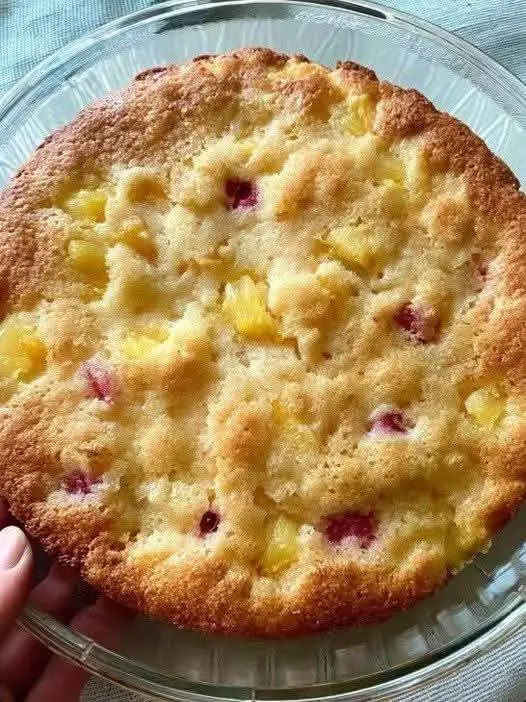
The Pineapple Raspberry Cuppa Cake is a sensory masterpiece: visually stunning with golden crisp top speckled by ruby raspberries and golden pineapple chunks peeking through.
As it bakes, your kitchen fills with tropical aromas—sweet pineapple mingling with berry tartness and buttery warmth.
Cutting in reveals a magical transformation: crisp upper layer gives way to moist, cake-like middle, sinking into a luscious, fruity sauce at the bottom.
Each spoonful delivers juicy pineapple bursts tempered by tart raspberry pops, all enveloped in tender crumb sweetened just right.
The texture is hybrid—part cake, part cobbler, part pudding—comfortingly soft yet with crisp edges.
Served warm, the sauce flows, mingling with melting vanilla ice cream for creamy contrast that tempers sweetness.
It’s indulgent yet light, nostalgic yet fresh—a dessert that feels like a hug from grandmother’s kitchen with modern twist.
The flavors dance: pineapple’s sunny sweetness, raspberry’s bright zing, subtle butter richness.
It’s versatile—breakfast treat, afternoon snack, or elegant dinner finale.
This cake evokes joy, simplicity, and shared moments around the table.
Truly, it’s more than dessert—it’s an experience of pure, fruity bliss.
Nutritional Information
The Pineapple Raspberry Cuppa Cake offers a balance of indulgence and nutrition, thanks to real fruit.
Approximate per serving (1/8 of cake, without ice cream; values vary by exact ingredients):
- Calories: 320–380
- Total Fat: 8–10g (mostly from butter)
- Saturated Fat: 5g
- Carbohydrates: 60–70g
- Sugars: 45–50g (natural from fruit and added sugar)
- Fiber: 3–4g
- Protein: 3g
- Vitamin C: 50–70% DV (from pineapple and raspberries)
- Manganese: 50–80% DV (bone health, metabolism)
Pineapple provides bromelain for digestion and anti-inflammation, plus immune-boosting vitamin C.
Raspberries add antioxidants like anthocyanins for heart health and fiber for gut support.
Compared to traditional cakes, this has natural fruit benefits—lower processed ingredients, higher vitamins.
With ice cream, add 150–200 calories per scoop.
It’s energy-dense but nutrient-rich—enjoy in moderation as healthful treat.
Portion control enhances its role in balanced diet.
Conclusion
The Pineapple Raspberry Cuppa Cake beautifully marries vintage simplicity with vibrant, modern fruitiness, creating a dessert that’s timeless yet exciting. From its cinematic origins to this delightful twist, it proves that great baking doesn’t require complexity—just quality ingredients and love.
This cake’s moist texture, balanced flavors, and effortless preparation make it a standout, perfect for evoking warmth and togetherness. Whether reminiscing over Steel Magnolias or introducing it to new generations, it delivers joy in every bite.
As we’ve explored its history, significance, and details, one thing is clear: this is more than a recipe—it’s a celebration of fruity indulgence done right.
Recommendation
I highly recommend trying the Pineapple Raspberry Cuppa Cake soon—it’s forgiving for beginners yet rewarding for experts. Perfect for summer barbecues, holiday brunches, or cozy evenings.
Pair with quality vanilla ice cream for ultimate experience.
Experiment with berry quantities or additions once mastered.
Share with loved ones—its charm lies in communal enjoyment.
This cake will earn rave reviews and requests for seconds.
Embracing Healthful Indulgence
In a world of overly processed sweets, the Pineapple Raspberry Cuppa Cake stands out for embracing healthful indulgence. Real pineapple and raspberries provide vitamins, antioxidants, and fiber, supporting immunity, digestion, and overall wellness without sacrificing taste.
Bromelain in pineapple aids inflammation reduction and protein digestion, while raspberry anthocyanins promote heart health and skin glow.
This dessert encourages mindful eating—satisfying cravings with natural sweetness.
It’s proof that indulgence can nourish body and soul.
By choosing fruit-forward treats like this, we balance pleasure with health, fostering sustainable enjoyment of food.
Embrace this cake as reminder: delicious and nutritious can coexist beautifully.
Here’s to more moments of sweet, wholesome delight